JOHN 690-D Deere Hydraulic Excavators
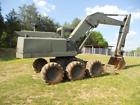
( Brand: John ), ( Model: 690D ), ( Part Type: Hydraulic Excavator ), ( Year: 1990 ), ( Meter Reads: 17692.00 ), ( Location: Tennessee ), ( Tire Size: 18-19.5 ), ( Fuel: Diesel )
Review JOHN Deere 690 Hydraulic Excavators
The Deere 690D Hydraulic Excavator, manufactured in 1990, is a testament to the enduring quality and innovation of the Deere & Company. This 690-d model is equipped with a powerful hydraulic system that ensures precise and efficient operation.
The excavator boasts a robust Caterpillar C12 engine, delivering a powerful 305 horsepower. This engine is coupled with an automatic shift transmission, ensuring smooth and efficient power delivery to the tasks at hand. The excavator's operating weight is approximately 57,832 lbs, providing ample stability and traction for various terrains.
The 690D features a spacious and ergonomically designed cab, providing the operator with a comfortable work environment. The cab is equipped with advanced controls, including a joystick control system for smooth and precise operation. The cab also offers excellent visibility, thanks to large windows and a high-mounted seat, ensuring safe and efficient operation.
The excavator's boom and arm are designed with durability and efficiency in mind. The boom is made of high-strength steel, while the arm is equipped with a heavy-duty cylinder for maximum digging power. The 690D is also equipped with a powerful hydraulic system, ensuring fast cycle times and high digging forces.
The 690D's undercarriage is another testament to its robustness and durability. It features a heavy-duty track system, ensuring excellent traction and stability on various terrains. The undercarriage is also equipped with a automatic track tensioning system, ensuring optimal track performance and longevity.
In conclusion, the Deere 690D Hydraulic Excavator is a powerful and reliable machine, designed to deliver exceptional performance and efficiency. Its robust construction, advanced controls, and powerful hydraulic system make it an ideal choice for various excavation tasks.
Pros of buying a 1990 Deere 690D hydraulic excavator:1. Affordability: Being an older model, the 690D may be more affordable than newer excavators.
2. Parts Availability: As a popular and long-lived model, replacement parts for the 690D are generally easy to find.
3. Familiarity: Operators who are familiar with older Deere equipment may find the 690D easy to operate and maintain.
4. Durability: Deere is known for building durable equipment, and the 690D is no exception.
Cons of buying a 1990 Deere 690D hydraulic excavator:1. Age and Technology: The 690D is an older model, which means it may not have the same level of technology as newer models.
2. Maintenance Costs: While the parts may be relatively affordable, older machines may require more frequent maintenance, which can add up over time.
3. Power and Performance: Older excavators may not have the same power and performance as newer models, which can impact productivity.
4. Resale Value: As a used machine, the resale value of the 690D may be lower than that of a newer model.
Conclusion:The 1990 Deere 690D hydraulic excavator is an affordable and durable option for those in need of an excavator. However, potential buyers should be aware that older machines may require more frequent maintenance and may not have the same level of technology as newer models. Ultimately, the decision to purchase the 690D should be based on the specific needs and budget of the buyer.
Recommendation:If you are in the market for an affordable and durable excavator and are comfortable with the limitations of an older model, the 1990 Deere 690D may be a good option for you. However, it is recommended that you thoroughly research the machine and have it inspected by a qualified technician before making a purchase. Additionally, it may be beneficial to compare the 690D to other used excavators in the same price range to ensure that it is the best fit for your needs.
Details:
Item details: 1990 John deere 690-D in excellent overall condition with hours.
Gov sprog or diesel.
What sets equip apart is our unique and aggressive approach.
part #: 690d prices
- $60.86-$118.62
specifications heavequipm:
- brand: John
- model: 690d
- part type: Hydraulic Excavator
- year: 1990
- meter reads: 17692.00
- location: Tennessee
- tire size: 18-19.5
- fuel: Diesel
Seller heavequipm:
- zipcode: 38401
- city: Columbia, Tennessee
General heavequipm:
- businessindustrial > heavy equipment business industrial
- in stock: Yes
- condition: Used
Offer heavequipm:
- quantity: 1
- bids: 0
- best offer: true
- Sold: 0
- Started: February 12, 2017, 12:28 am
Shipping heavequipm:
- type: NotSpecified
Ratings:
- Scam artists! 01-11-17
- Great seller,shipped quickly ,item as described 01-30-17
- Selling a vehicle that they do not posses! 12-22-16
- A 02-02-17
- Easy to deal with, bought a nice v-bucket cheap, Dean was very helpful. 02-04-17
Returns heavequipm:
- policy: no returns
Payments heavequipm:
- PaymentSee
John 690D Is Similar To:
- 1023e John Deere 2012 Tractor With (51.4% similar) List price new 20,022,COST after dealer discounts 17,950. John deere 1023E compact tractor with 54 rear mounted snowblower, loader, 5FT landscape rake gauge wheels, and a ballast box. Year 2012 , 230 hours, excellent condition...(February 12th, 2017)
- 1026r John Deere Compact Tractor (50% similar) 2012 John deere 1026R FWD hydro compact tractor with loader front 26X12 auto connect deck H120 attachment 425 hours hydro transmission hi-low range 3 point PTO 540 diesel -light kit r4 18X8 rear always stored inside garage rear hydraulic connection engine block heater tool box may have a few more we...(April 9th, 2017)
- 1070 John Deere 39hp Tractor (56.3% similar) The pic of dash was taken w out machine running notice is indicating rpm when it running, needle pegs - no idea. Note that this is not a gushing pressurized leak - just drip. The pots are engaged through a dual clutch system, so you can stop or slow tractor down while it is in gear w out stopping ...(September 28th, 2017)
- 120d John Deere 2011 Hydraulic (75.8% similar) I have more excavators in stock, check my other offers. Feel free to call me on my cell phone with any questions...(January 5th, 2018)
- 130g John Deere Excavator Hours Enclosed Cab Heat Ac (38.6% similar) ...(March 14th, 2019)
- 135c John Deere 2006 Rts (50% similar) ...(December 27th, 2017)
- 135d John Deere 2012 Excavator (48.5% similar) Unit was just service and brand new track chains have been installed. Unit is equipped with hyd thumb, couplet, aux hyd, tier 3 Isuzu engine, and a long stick deere 135D excavator only 3100HRS. Ready to go work...(May 11th, 2017)
- 135g John Deere Excavator (42.6% similar) Ready to go the job site. Machine only has 840 hours. You are buying on a 2016 135G John deere excavator. The price includes delivery. The machine comes with a hydraulic thumb, couplet and 42 bucket...(March 19th, 2018)
- 1420 John Deere Nice Frontcut Mower Hours (39% similar) Feel free to contact Richie or Barry in with any questions...(May 5th, 2018)
- 1565 John Deere 2006 Front (54.8% similar) Diesel engine Jamar 3 Cl...(November 14th, 2017)
- 1600t Series 2 John Deere (42.6% similar) 2011 John deere 1600 turbo wide area mower...(July 12th, 2017)
